Concrete Lifting Specialists
Two standard techniques to raise a settled slab without the expense and disturbance associated with removing it.
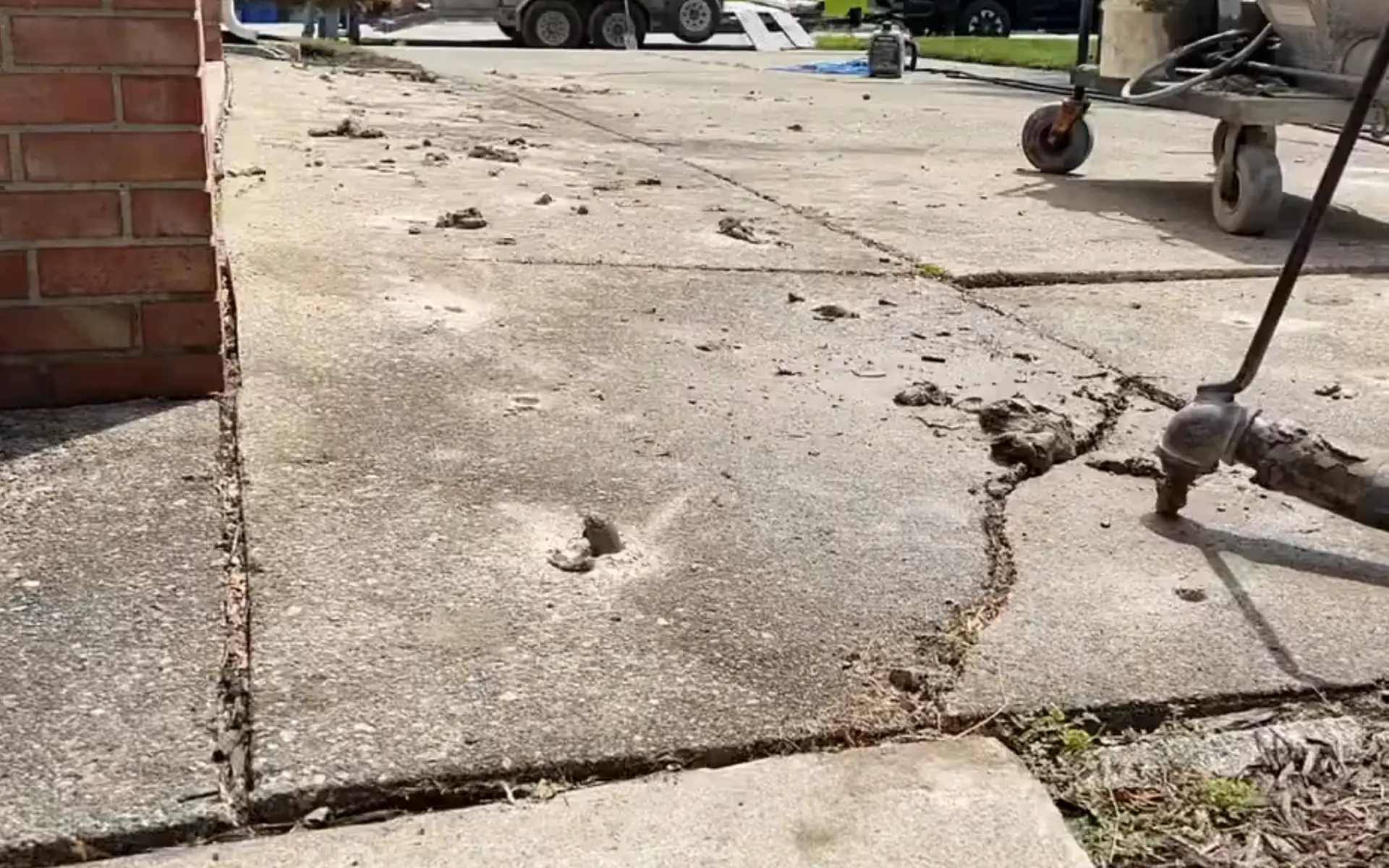
Mudjacking was first developed in the 1930's and remains a popular method today. The procedure begins by inspecting the slab where it is required to be lifted. Small holes are drilled through the concrete directly over the void, and a dense mixture of water, dirt, and cement is then pumped into the hole beneath the slab. As the slurry enters the void, and lifts the slab.
We keep the lift slow and controlled. We monitor the surface as the product is injected and adjust the amount of pressure applied to ensure even lift of the slab. Once the slab reaches its correct elevation, we turn off the pump and remove all equipment. Afterward, we apply a colored matched cement filler to seal all of the holes made while performing the lift.
Some people refer to this type of service as "slab jacking," "mud jacking," "concrete jacking," or "pressure grouting." Regardless of which name you may see used in local advertising, they all describe essentially the same process. Level the concrete, fill the void beneath, and provide support for the slab.
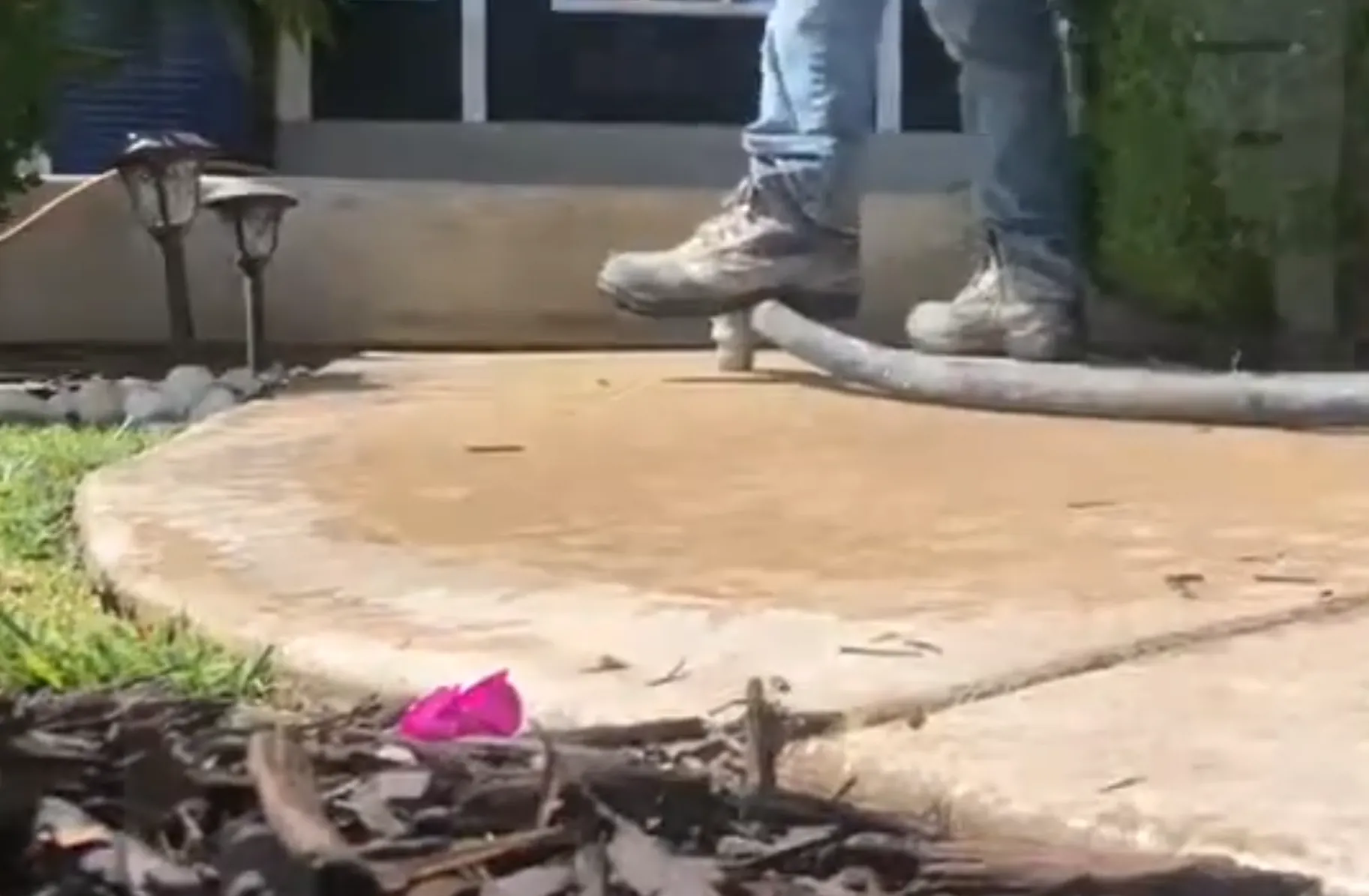
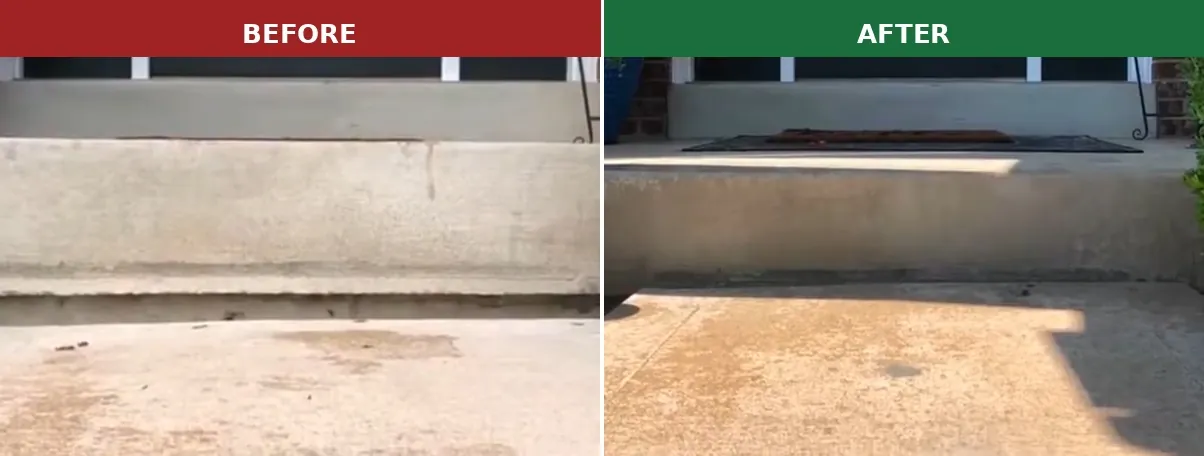
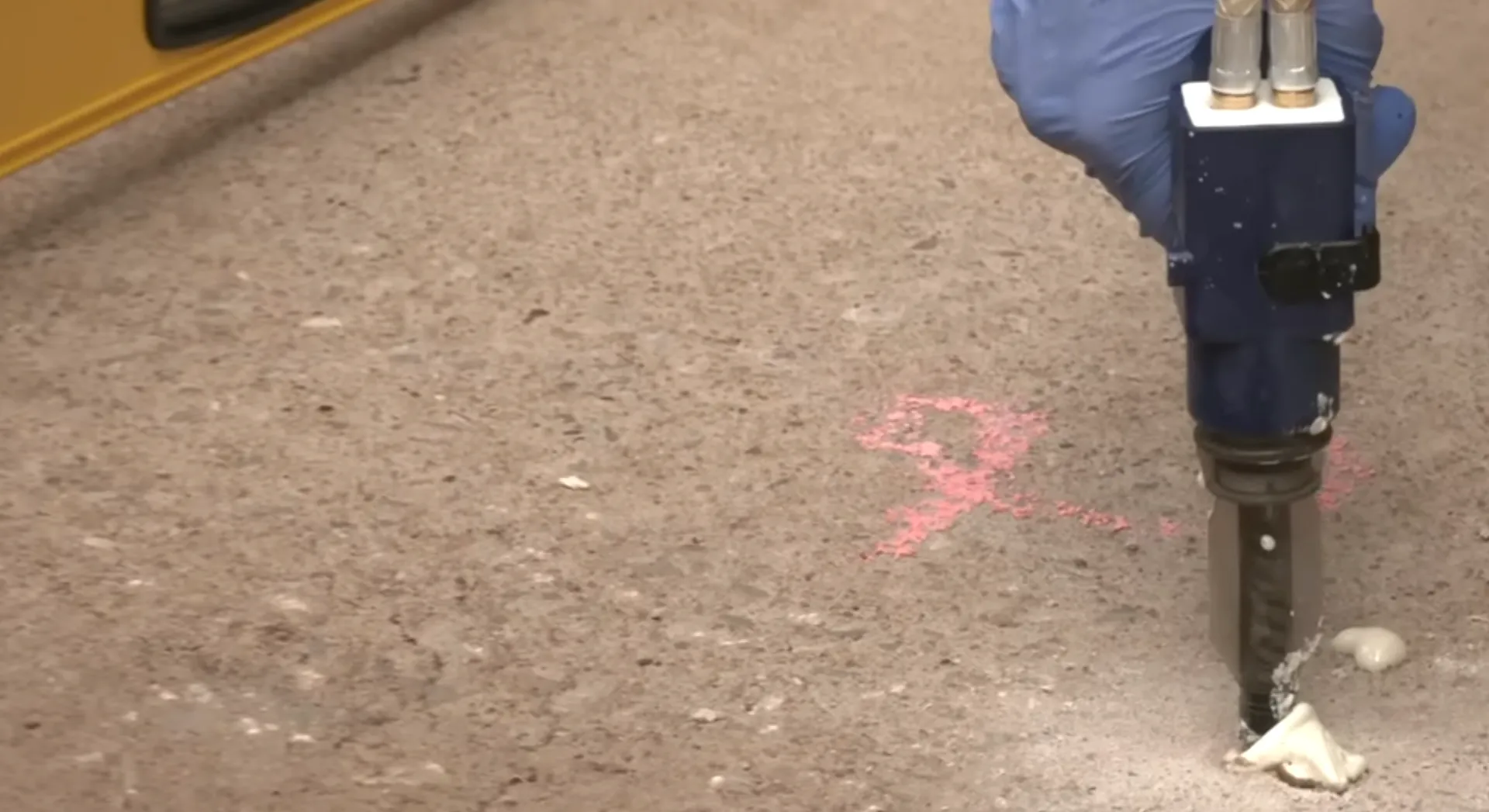
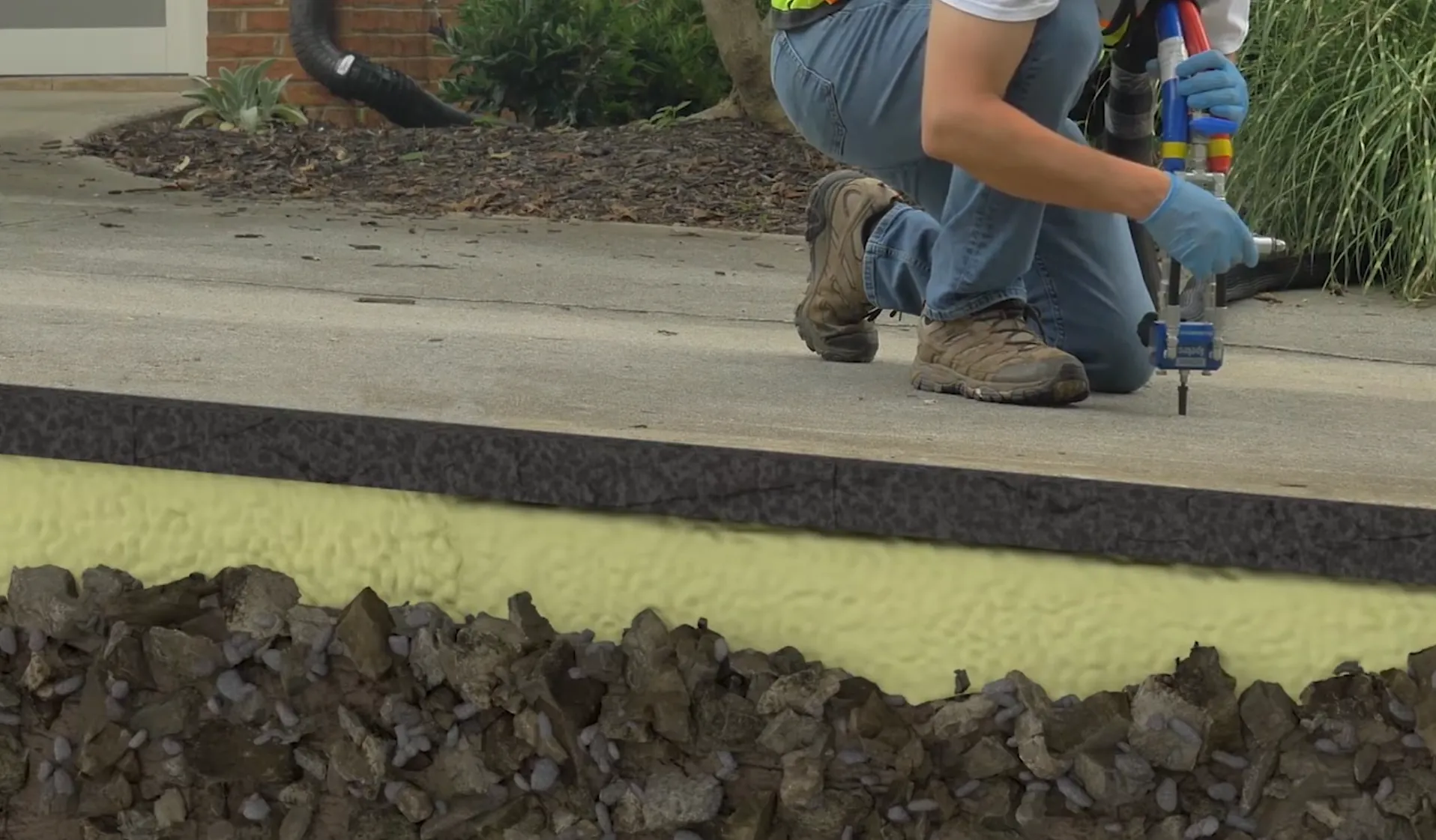
Polyjacking uses a different approach to the same issue. Instead of using a slurry (which consists of cement, soil, and water) we use a two-component polyurethane foam. This foam is injected into smaller diameter holes than those used in Mudjacking. When these two components meet beneath the slab, they chemically react creating a tight closed-cell foam. This foam will expand to fill any gaps/voids beneath the slab providing upward force on the concrete as it expands.
Because of the rapid nature of this reaction, we have excellent control over the amount of lift achieved by the expansion of this foam. Typically, a polyjacking project will take less than two hours to complete. At thirty minutes after the injection process, the cured foam is strong enough to carry a vehicle load.
Because this foam is hydrophobic (water-repellent), it does not disintegrate like slurry could (due to poor drainage conditions). Additionally, the cured foam weighs significantly less than slurry, thus there is no added burden on the supporting soils below.
Since the hole sizes required for polyjacking are significantly smaller than those created by mudjacking, there are fewer visible signs. If aesthetics are important, polyjacking will result in a better final appearance.
Applications
Both methods work on most of the flat concrete around a home. Here are the surfaces we lift most often.
Typically, concrete lifting fall somewhere between 15% to 40% of what a complete removal and new pour would cost for most homeowners. Each project varies depending upon multiple variables such as number of slabs involved, degree of settlement of said slabs, and whether Mudjacking or polyjacking is utilized. During your complimentary site walk-through evaluation, we'll provide you with a specific quote for your project.
Odds of causing a crack during a careful lift are low, but can occur. We carefully monitor each section as it rises to prevent this as much as possible. If existing cracks exist along the edges or corners of your slabs, they may not be suitable for leveling. We will advise you accordingly during your site walk-through evaluation.
In instances where extreme settling has occurred or portions of the slab are broken to the point where clean elevation is impossible, replacement becomes a safer option. We give you our honest take at the tim of inspection.
A typical project requires anywhere from one to three hours. Time is directly influenced by how many individual slabs are being raised and how much slurry is required to fill any voids. Since polyjacking uses expanding foam that rapidly expands under the slab, it's typically quicker.
Free walkthroughs across Central Texas. Pick up the phone or send us a quick note online and we will be in touch the same day.
