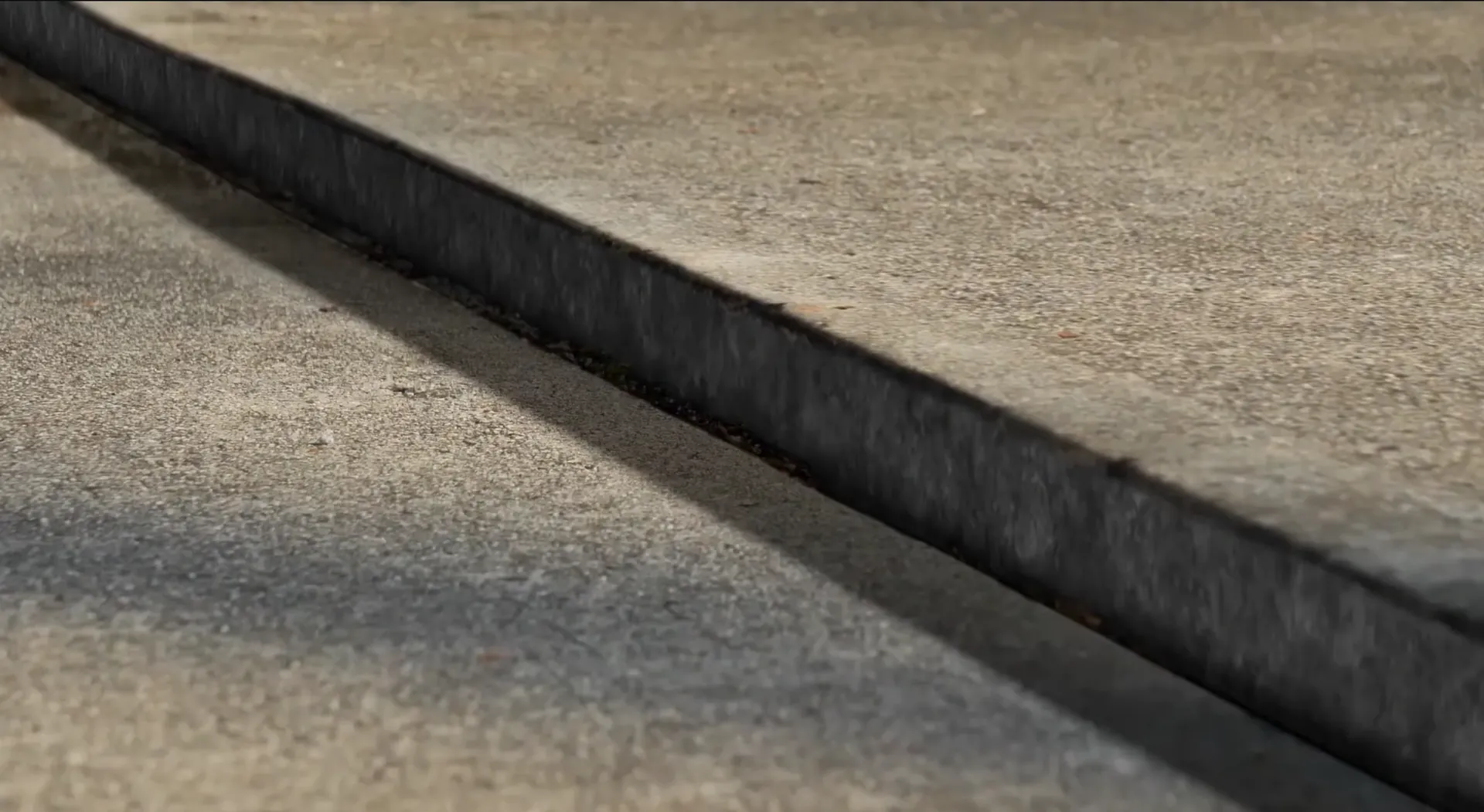
Trip Hazard Elimination
A raised edge on a sidewalk is a trip waiting to happen. We bring settled panels back flush, remove the trip risk, and put your walkway back to safe without tearing it out.
A sidewalk panel that's dropped a few inches might not appear to be a big deal, but that drop will definitely catch a toe and cause a person to fall. This could lead to serious injuries for senior citizens, children on bicycles, and people who are carrying multiple shopping bags. Should this occur on your property, medical bills could become quite costly.
Fortunately, repairing damaged sidewalks is among the most basic services provided by concrete leveling. The sidewalk panels are relatively small. The space beneath these panels is generally shallow. The repairs can be completed very quickly. With polyjacking, you'll be able to use the sidewalk again about 30 minutes after we clean up.
Settling sidewalks nearly always results from the same three things: dirt has been washed away, soil was not packed adequately from the start, or there are tree roots growing underground. Tree roots growing displace slabs from below. Once older tree roots decompose, they create pathways through which additional soil is displaced as water erodes from those pathways. Eventually, the panel sinks into the ground as the support soils are displaced from beneath the panel.
At our initial meeting, we evaluate all factors surrounding each issue. If we determine that a tree root is responsible for your sidewalk sinking, we will inform you of that fact and discuss what this implies for longevity of your repair. It's better for us to provide you with realistic expectations regarding the permanence of your repair than to give you a "quick fix" that will likely need to be repeated soon after.
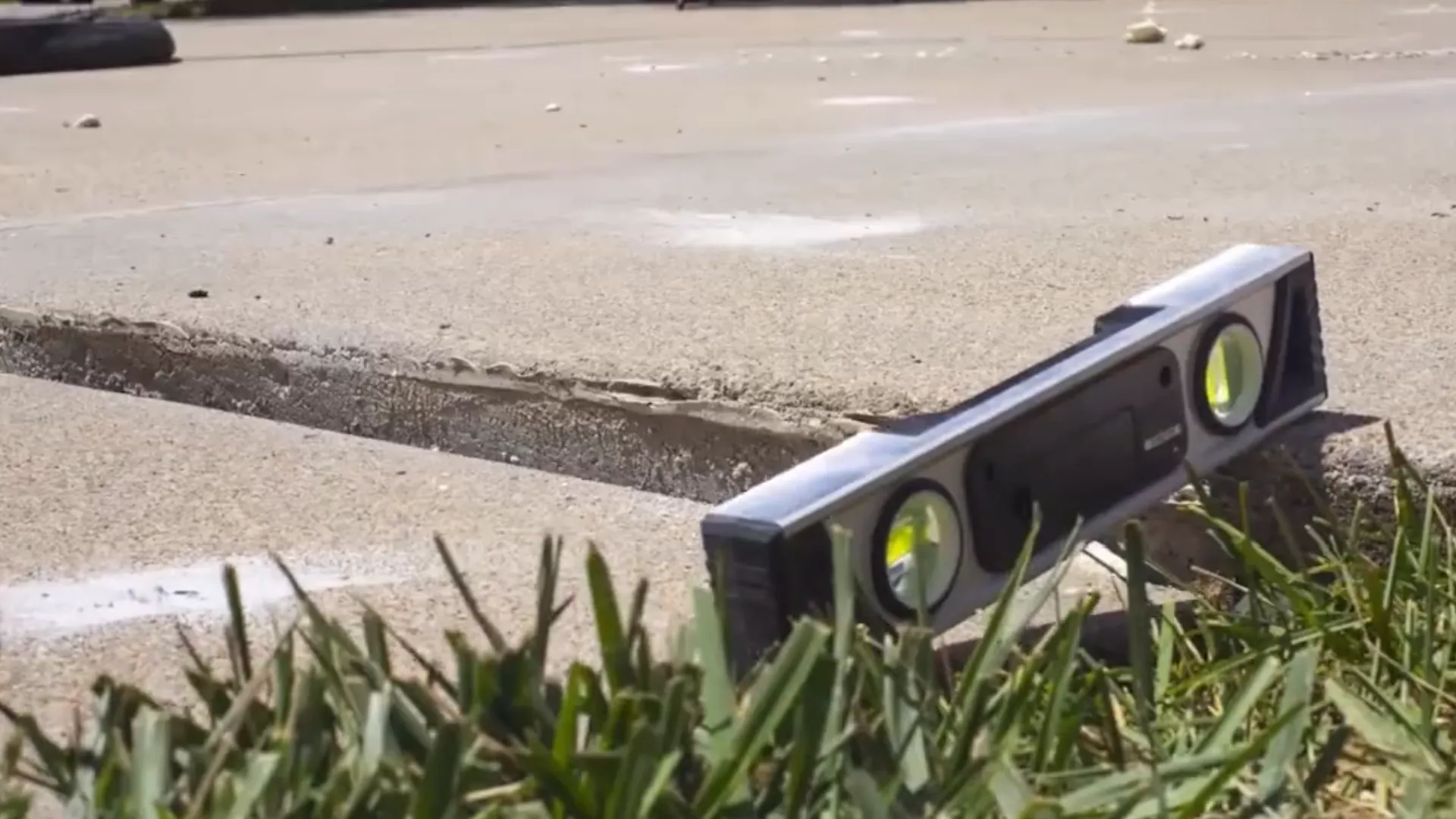
Many homeowners are liable for injuries sustained when people trip on uneven sidewalks at their home. Many municipalities consider a 1/4" to 1/2" drop off a lip of a sidewalk to be a tripping hazard. Therefore, if you notice a segment that has dropped off; raising this area immediately will save both time and money compared to waiting until someone trips over this area.
Our Scope of Work
There are numerous types of slabs and sidewalks around homes across Central Texas that we raise and level.
This includes walkways from the driveway to the front entrance, a sidewalk running adjacent to your house, garden paths and backyard walkways. We lift them all.
The sidewalk along the street of your home. Many municipalities require homeowners to maintain these areas. We make these repairs quickly and efficiently.
If your patio has separated from your house or the individual pieces of your pool deck have shifted unevenly they can be leveled back into position without having to tear up the existing slab.
A step down to a landing area that has dropped below grade creates an opening under your doorway allowing water entry. These type of lifts are a standard repair for us.
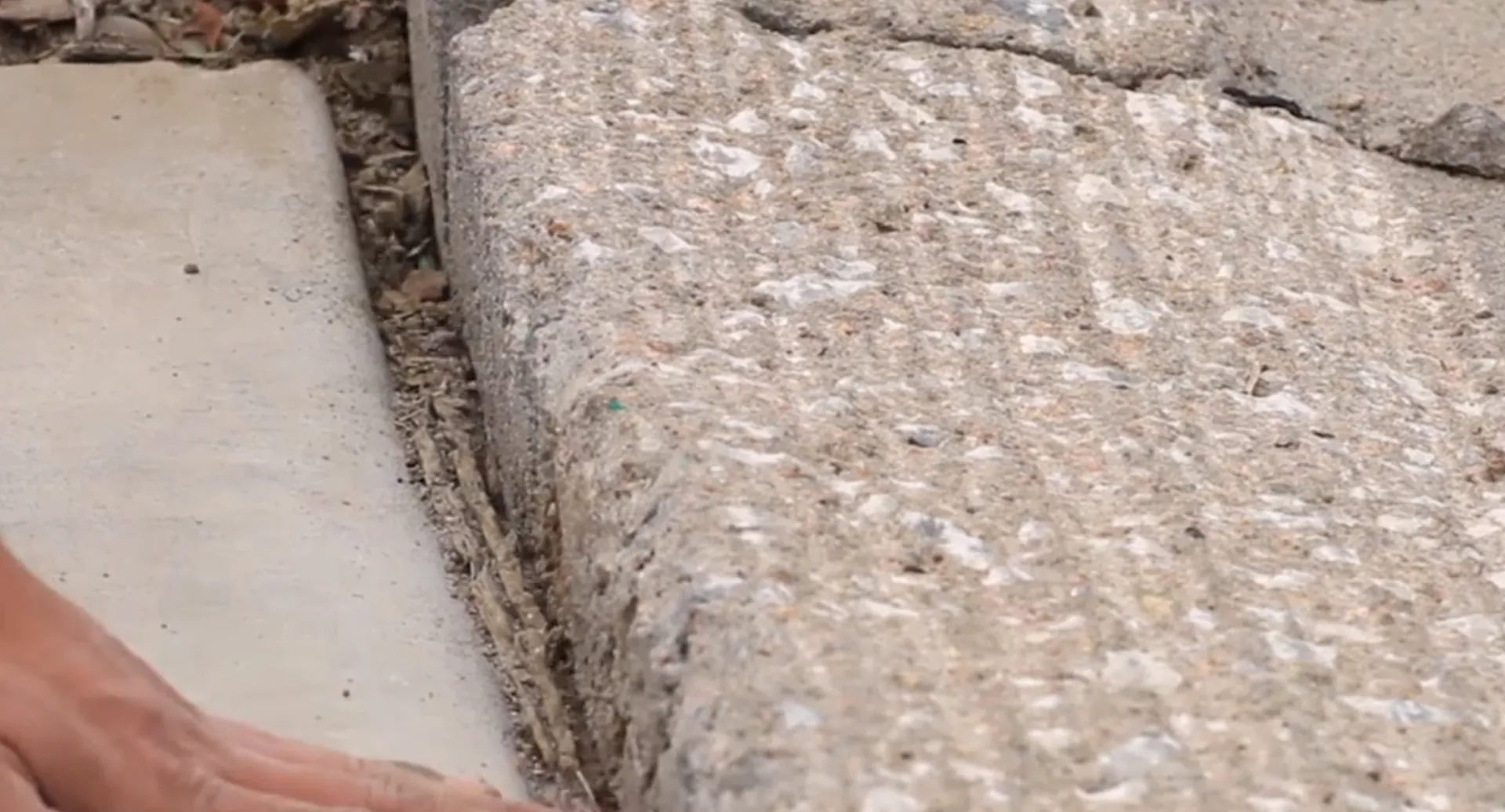 Before
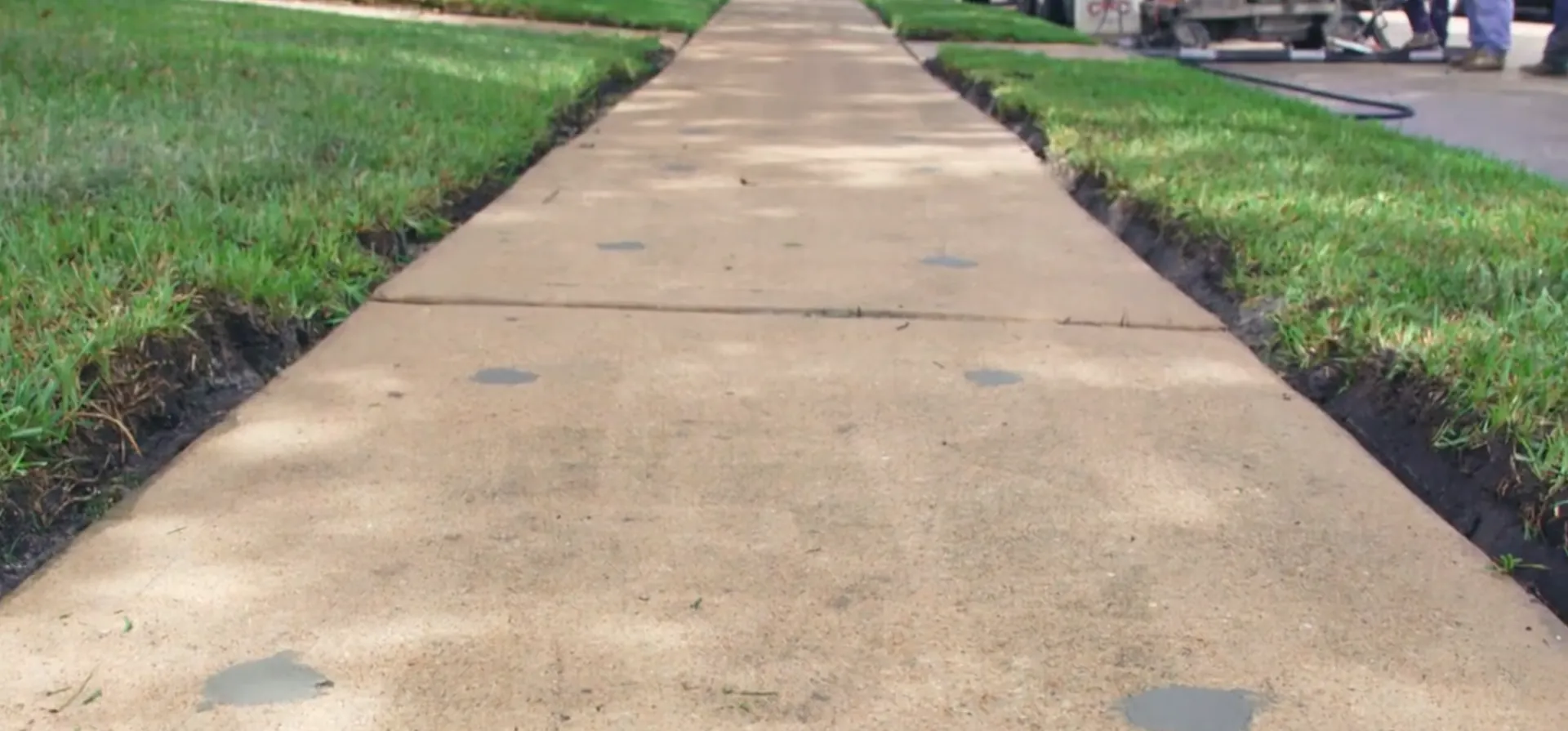 After
After
Trip Hazard Eliminated
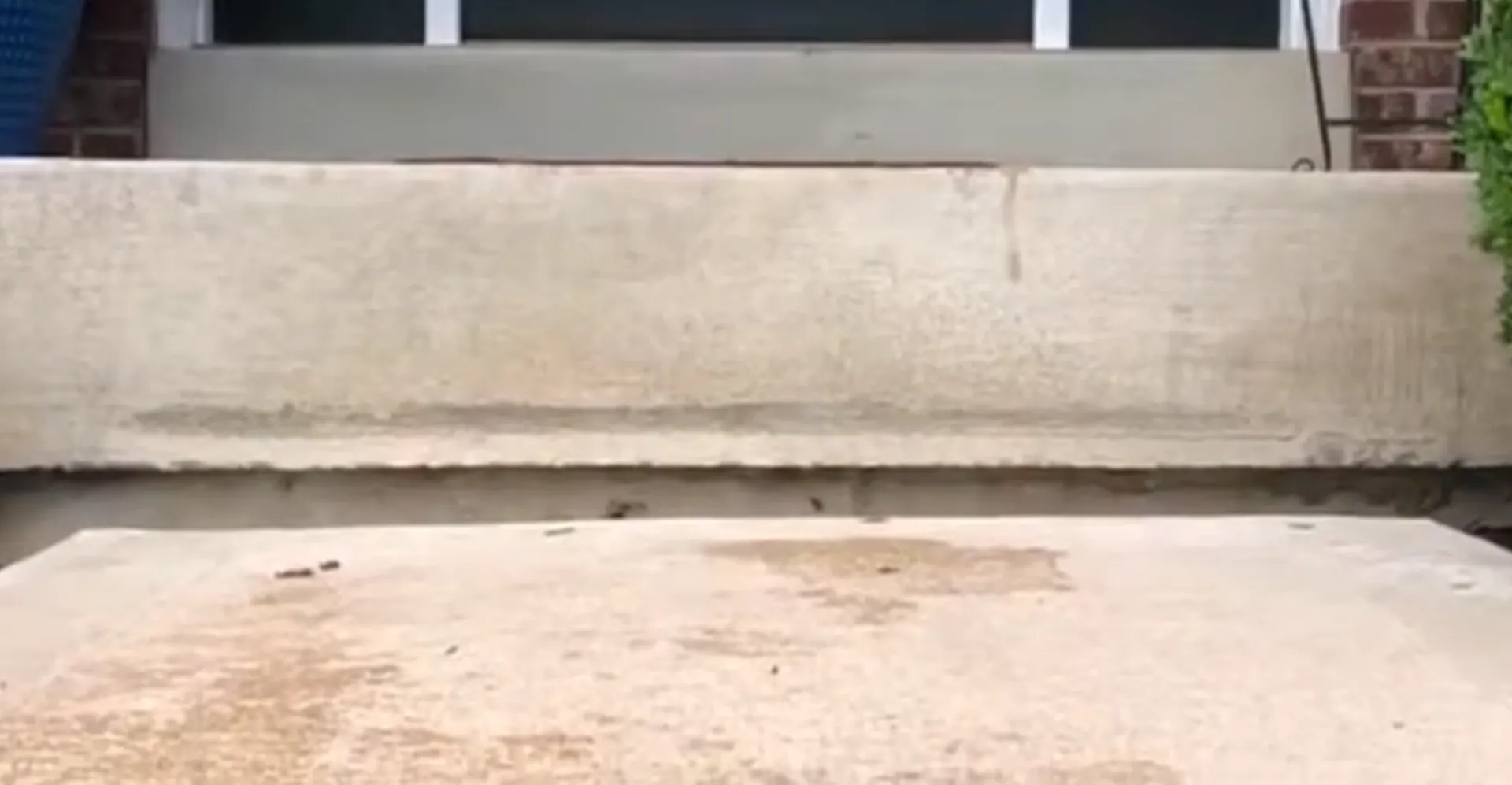 Before
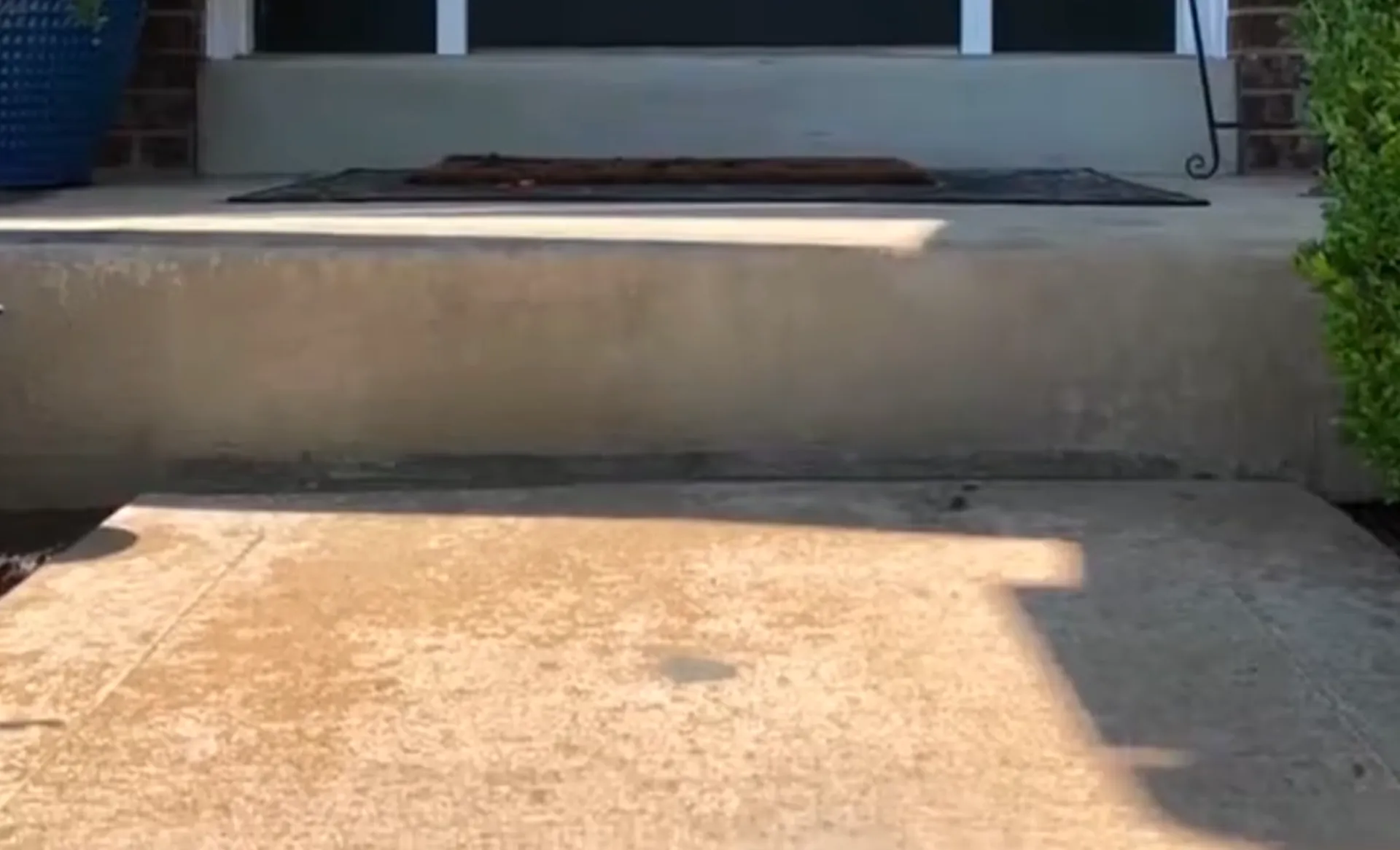 After
After
Entry Stoop Raised
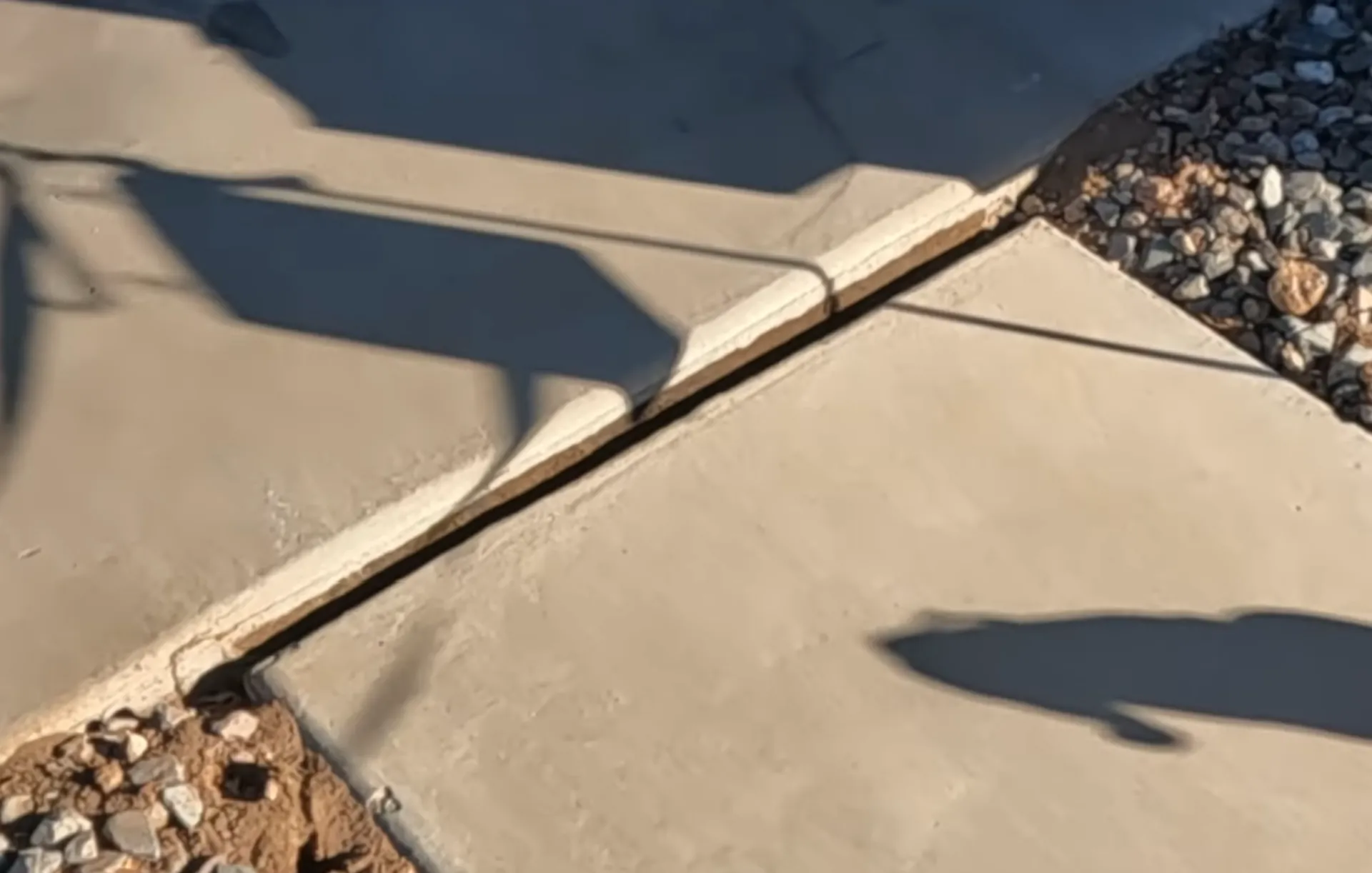 Before
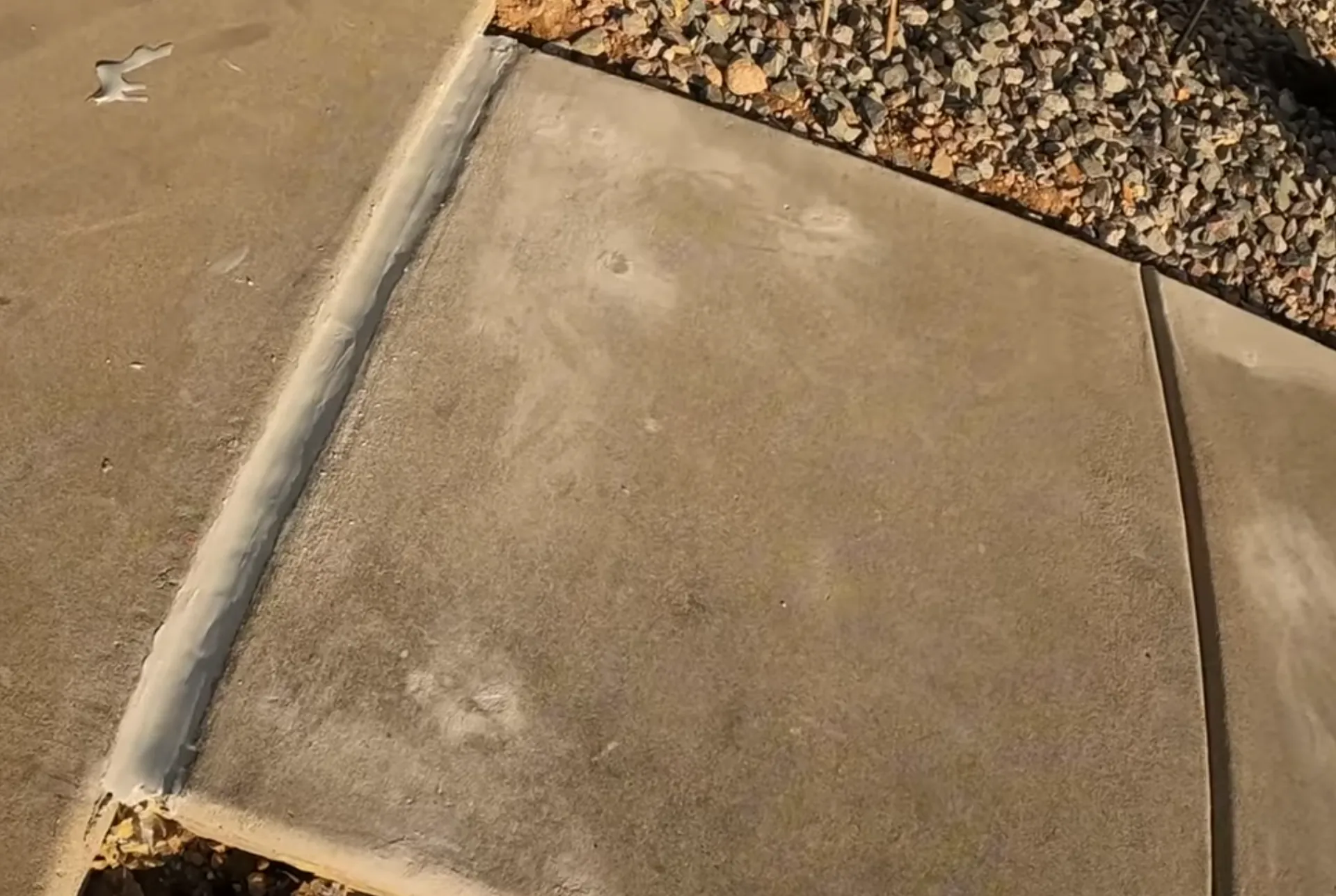 After
After
Patio Slab Leveled
How We Do It
From the time of our initial chat until you can walk on the fixed area, here is what to expect.
Simply contact us via phone or use our quick request form. Our schedule typically allows for a walkthrough within 1-2 days.
Our technician will inspect the panels, test for voids underneath, check drainage and provide you with a quote right on the spot.
We drill a series of small holes, inject the lifting agent into the slab, allow it to expand and lift the slab back to its original position. Most sidewalks require approximately 1-2 hours to complete.
The polyurethane foam used in our process sets in approximately 15 to 30 minutes. Once we've completed the job, you can immediately begin walking on the newly restored sidewalk.
This depends on the condition of the slab. If a root has forced a panel upward from beneath, the root must be addressed before the concrete can settle back into place and remain stable. We assess how far down the root goes and let you know if raising the slab is practical or if removing the panel and addressing the root would be the better option. Either way, you'll receive an honest answer.
Polyjacking holes are around the size of a dime. Mudjacking holes are larger - around 1.5 to 2 inches. We patch all of them after completion. The patches are small, clean and closely matched to the surrounding concrete. In most cases customers are pleasantly surprised at how well they blend in after a short time.
Yes. Because we repair each panel individually, we can raise one section while leaving the adjacent sections unaffected. This is another advantage of leveling versus tearing out the damaged section(s), which requires careful matching of color and texture when replacing individual sections
Coverage varies widely depending upon your homeowner's policy. Typical coverage does not include normal settlement or shifting caused by soil conditions. However, damage resulting from an incident such as water damage from a leaking pipe may be covered. The best course of action is to review your current homeowner's policy. If you'd like, we will create a detailed estimate and document the extent of the damage to support filing a claim with your insurance company.
It's always best to address these problems prior to an injury. Most sidewalk levelings take a short time to complete and can be completed in a single visit. Call us today or simply submit an request for more information.
